Data-Driven Cannabis Cultivation: Climate Control Insights
Interior growth remains to evolve as growers demand larger effectiveness, uniformity, and yield quality. One of the most critical parts driving achievement is environmental administration, particularly Greenhouse HVAC, which plays a main role in stabilizing heat, humidity, and air purity. Studies indicate that managed surroundings can increase yield reliability by up to 30%, creating Climate systems a primary expense for significant growers.
What makes Climate Control crucial in interior Cannabis expansion?
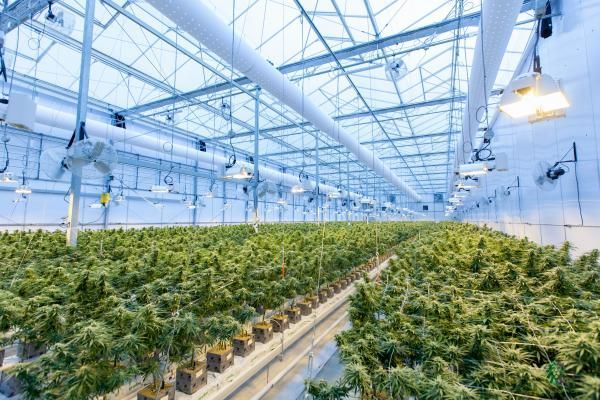
Climate Control assures that flowers remain within maximum growth situations all through their lifecycle. Research shows that maintaining heat between 20–28°C and general moisture between 40–70% significantly enhances place health. Without proper regulation, fluctuations may lead to stress, form formation, and paid off cannabinoid development.
How can sophisticated programs increase production?
Modern methods include detectors, automation, and information analytics to deliver precision control. According to industry knowledge, automated Climate options may reduce information treatment by 40% while improving detailed efficiency. These programs repeatedly check air problems and alter ventilation, chilling, and filtration in real-time, ensuring stable growth environments.
What role does quality of air play in optimization?
Quality of air straight influences seed respiration and infection prevention. High-efficiency filter methods remove contaminants such as dust, spores, and unstable compounds. Data suggest that increased air purity may lower crop reduction risks by around 25%, making purification a vital section of Climate infrastructure.
Can Climate Control techniques support power performance?
Yes, energy-efficient Climate programs are increasingly being a priority. Smart systems improve power usage by adjusting procedures centered on real-time environmental needs. Studies suggest that sophisticated techniques may lower power usage by around 20%, helping features reduce operational expenses while maintaining maximum conditions.
So how exactly does automation enhance consistency?
Automation eliminates individual problem and ensures uniform situations across the entire develop space. Consistent Climate conditions donate to standard seed development, which is vital for commercial-scale production. Information shows that automatic environments generate more expected crop cycles, improving supply sequence reliability.
What are the long-term benefits for growers?
Investing in sophisticated Climate techniques leads to increased provide quality, decreased waste, and better conformity with business standards. With time, growers experience larger results because of increased effectiveness and decreased chance factors. Reports spotlight that features using sophisticated systems usually obtain quicker ROI in comparison to old-fashioned setups.
Is scalability probable with contemporary systems?
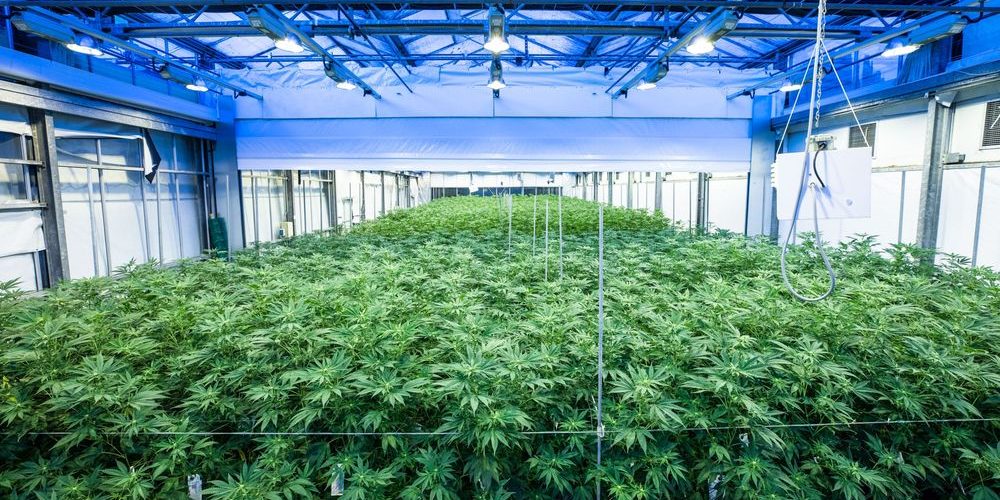
Scalability is really a key benefit of contemporary Climate Control solutions. Programs are designed to adapt to different ability dimensions, enabling growers to grow operations without reducing environmental stability. That freedom supports long-term business growth and functional consistency.
Ultimate Insights
Indoor Cannabis growth is now significantly data-driven, with Climate Control at its core. From increasing place wellness to optimizing energy use, advanced programs present measurable benefits reinforced by business statistics. For growers trying to stay competitive, adopting smart Climate alternatives is no more optional—it's a proper requisite for achieving regular, top quality production.

Comments
Post a Comment